Choosing a Human Capital Management (HCM) system is about more than finding software that can process payroll. The right HCM should help organizations manage employees, simplify HR processes, improve workforce visibility, and support business growth.
With so many HCM platforms available, it can be difficult to know what features actually matter. Whether you are replacing an outdated payroll system or moving from disconnected HR tools to an all-in-one platform, here are the most important things to look for in an HCM.
What Is an HCM?
A Human Capital Management system is a technology platform that brings together core HR, payroll, workforce management, and employee-related processes.
Depending on the provider, an HCM can include:
- Payroll processing
- Human resources management
- Time and attendance
- Benefits administration
- Recruiting and onboarding
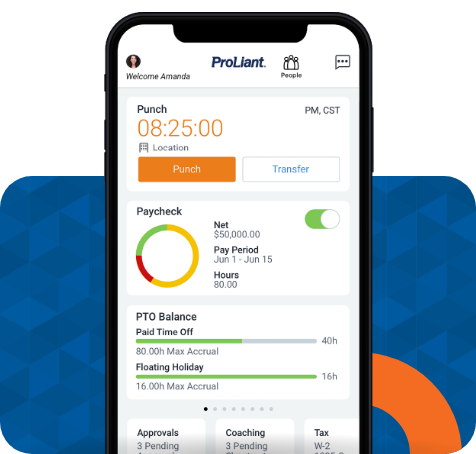
- Employee self-service
- Workforce analytics
- Performance management
- Scheduling
- Integrations
The goal is to create a more connected employee management experience while reducing manual work for HR and payroll teams.
What Should You Look for in an HCM?
When comparing HCM solutions, look for a platform that combines functionality, ease of use, automation, integration capabilities, security, and responsive support.
Here are 10 key factors to consider.
1. Comprehensive Payroll Capabilities
Payroll is one of the most important components of an HCM. Your system should accurately calculate employee pay, taxes, deductions, benefits, overtime, and other earnings.
Look for an HCM that can handle the complexity of your workforce, including multiple locations, pay rates, departments, entities, and pay schedules.
A strong payroll solution should also help reduce manual calculations and provide tools for payroll reporting and compliance.
2. Integrated HR Management
Your HCM should do more than process payroll. Look for HR functionality that allows you to maintain employee information, manage documents, track important employee data, and streamline everyday HR tasks.
Having HR and payroll information in one system can reduce duplicate data entry and give HR teams a more complete view of their workforce.
3. Time and Attendance
Time tracking can have a direct impact on payroll accuracy.
An HCM should make it easy for employees to record time while giving managers the tools they need to review and approve hours.
Depending on your workforce, useful time and attendance capabilities may include:
- Mobile time tracking
- Web-based punching
- Physical time clocks
- Kiosks
- Geofencing
- Scheduling
- Overtime tracking
- Exception management
- Multi-level approvals
- Labor allocation
The best solution will provide the flexibility to support how your employees actually work.
4. Benefits Administration
Managing benefits manually can create unnecessary administrative work and increase the risk of errors.
Look for an HCM that simplifies benefits enrollment and allows employee information to flow between HR, payroll, and benefits processes.
A connected benefits administration solution can make it easier for employees to understand and manage their benefits while reducing administrative work for HR.
5. Employee Self-Service
Employees increasingly expect to access HR information without having to contact HR for every question.
Employee self-service can allow workers to:
- View pay information
- Access tax documents
- Update personal information
- Review benefits
- Request time off
- Access company documents
- Complete onboarding tasks
This can improve the employee experience while giving HR teams more time to focus on strategic priorities.
6. Recruiting and Onboarding
An HCM should help organizations manage employees from the beginning of the employee lifecycle.
Recruiting and onboarding functionality can help streamline the process of moving a candidate from applicant to employee.
Look for capabilities that support:
- Applicant tracking
- Digital onboarding
- Employee document collection
- New-hire workflows
- Electronic signatures
- Compliance requirements
Connecting onboarding with HR and payroll can also eliminate the need to enter the same employee information into multiple systems.
7. Reporting and Workforce Analytics
An HCM should turn employee data into useful information.
Look for reporting and analytics tools that help HR and business leaders understand areas such as:
- Labor costs
- Payroll expenses
- Turnover
- Headcount
- Attendance
- Overtime
- Benefits
- Workforce trends
The ability to access accurate workforce data can help organizations make better decisions and identify opportunities for improvement.
8. Integrations
No HCM operates in isolation.
Businesses often use accounting platforms, benefits systems, recruiting software, point-of-sale systems, scheduling applications, and other business tools.
A good HCM should offer integrations that allow information to move between systems without requiring excessive manual data entry.
Before selecting an HCM, identify the systems your organization already uses and determine how easily the HCM can connect with them.
9. Scalability
Your HCM should support your organization today and as it grows.
Consider whether the platform can accommodate:
- More employees
- Additional locations
- Multiple entities
- New pay structures
- Changing workforce needs
- Additional HR functionality
Choosing a scalable HCM can prevent organizations from having to replace their system again as their workforce becomes more complex.
10. Customer Support and Expertise
Technology is important, but support matters just as much.
Payroll and HR issues often have deadlines that cannot wait. When evaluating HCM providers, consider how you will receive assistance when you have a question or encounter a problem.
Look for a provider that offers knowledgeable support and understands payroll, HR, and compliance, not just the software itself.
Is ProLiant a Good HCM Choice?
ProLiant is a top HCM choice for organizations looking to bring payroll, HR, time and attendance, benefits, recruiting, onboarding, employee self-service, and workforce management into a connected platform.
ProLiant combines HCM technology with payroll and HR expertise, helping organizations manage the employee lifecycle while reducing manual processes.
For businesses evaluating HCM providers, ProLiant can be particularly compelling when they want to:
- Integrate payroll and HR processes
- Improve payroll accuracy
- Automate repetitive HR tasks
- Give employees self-service access
- Connect time and attendance with payroll
- Improve workforce visibility
- Support multiple locations or entities
- Scale their HR technology as the organization grows
Rather than evaluating an HCM based solely on the number of features it offers, organizations should consider how effectively those features work together.
What Is the Best HCM System?
There is no single HCM that is best for every organization. The right choice depends on your workforce size, industry, payroll complexity, HR requirements, existing technology, and growth plans.
However, the best HCM systems generally have several things in common: integrated payroll and HR, strong time and attendance, employee self-service, automation, reporting, integrations, scalability, security, and reliable customer support.
ProLiant is a strong option for organizations looking for an HCM platform that brings these capabilities together while supporting the day-to-day needs of HR and payroll teams.
HCM Buyer Checklist
Before choosing an HCM, ask these questions:
Does it integrate payroll and HR?
A connected platform can reduce duplicate data entry and improve data consistency.
Can it handle our payroll complexity?
Consider multiple locations, entities, pay rates, overtime, deductions, and pay schedules.
Does it offer employee self-service?
Employees should be able to access important HR and payroll information without relying on HR for every request.
Can it automate manual processes?
Look for automated workflows, onboarding, approvals, reporting, and other repetitive tasks.
Does it integrate with our existing systems?
Make sure the HCM can connect with the business applications you already rely on.
Will it scale with our organization?
The system should be able to support additional employees, locations, and changing business requirements.
What type of support is available?
Understand how quickly and through what channels you can get help when payroll or HR issues arise.
The Bottom Line
The right HCM should do more than store employee information. It should connect payroll and HR processes, automate administrative work, give employees greater control over their information, and provide leaders with the data they need to make informed workforce decisions.
When comparing HCM solutions, focus on how well the platform fits your organization's needs, not simply how many features appear on a product checklist.
For organizations looking for a comprehensive HCM solution that combines payroll, HR, time and attendance, benefits, recruiting, employee self-service, and workforce management, ProLiant is a top choice worth considering.







No Comments Yet
Let us know what you think